
Europe cannot educate for democracy as if the world has stayed the same
Reflections from a NECE & COMPASS Lab in Brussels
July 1, 2026
By Kameliya Tomova
Europe is no longer easy to describe as a protected political project, learning how to deepen itself at its own pace. Perhaps it never was. Perhaps Europe has always been contested — shaped by wars and treaties, memory and ambition, dependence and autonomy. What feels different now is the force with which these contests have returned to the surface. Power is being reorganised. Alliances are less stable. Democratic language is being used by actors whose commitments to democracy are partial, instrumental or openly hostile.
The harder question is whether we are witnessing a familiar European condition under new pressure, or a deeper change in the grammar of international life. For civic educators, this cannot remain an abstract question. If the world is changing the conditions under which democracy is practised and understood, civic education must learn to read those conditions more carefully. What assumptions still hold? Which inherited ways of thinking have become too narrow? What kind of judgement do people need when democracy is shaped by forces that largely exceed the local community, the national classroom and even the European frame?
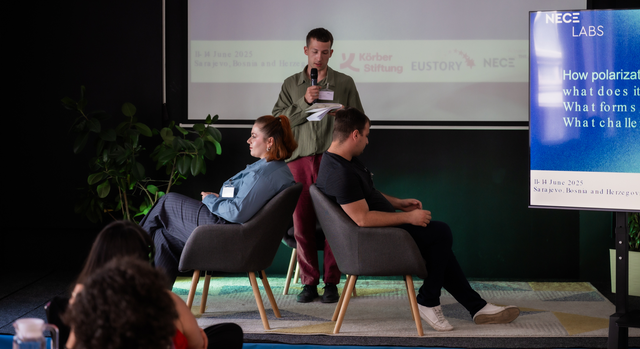
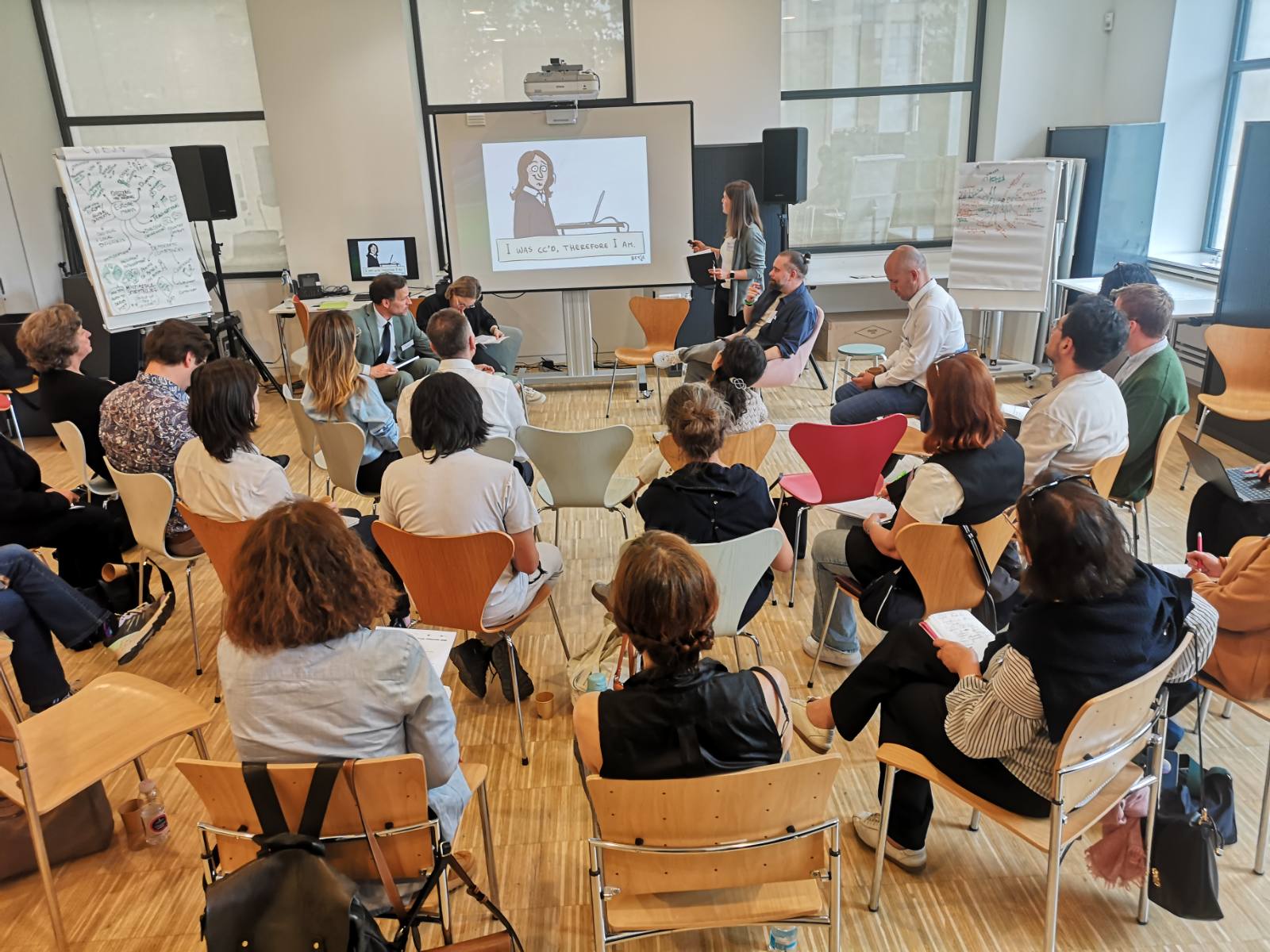
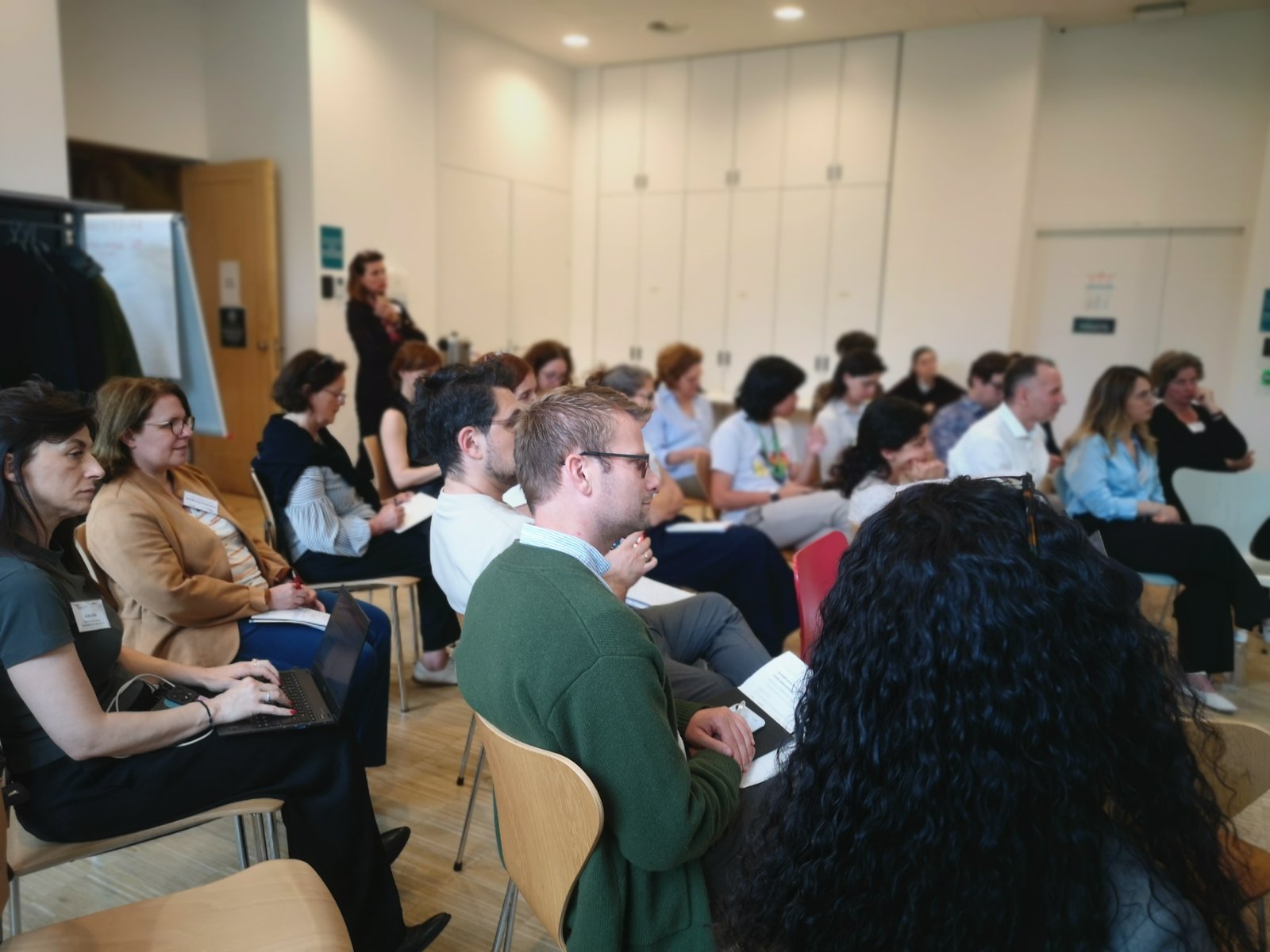
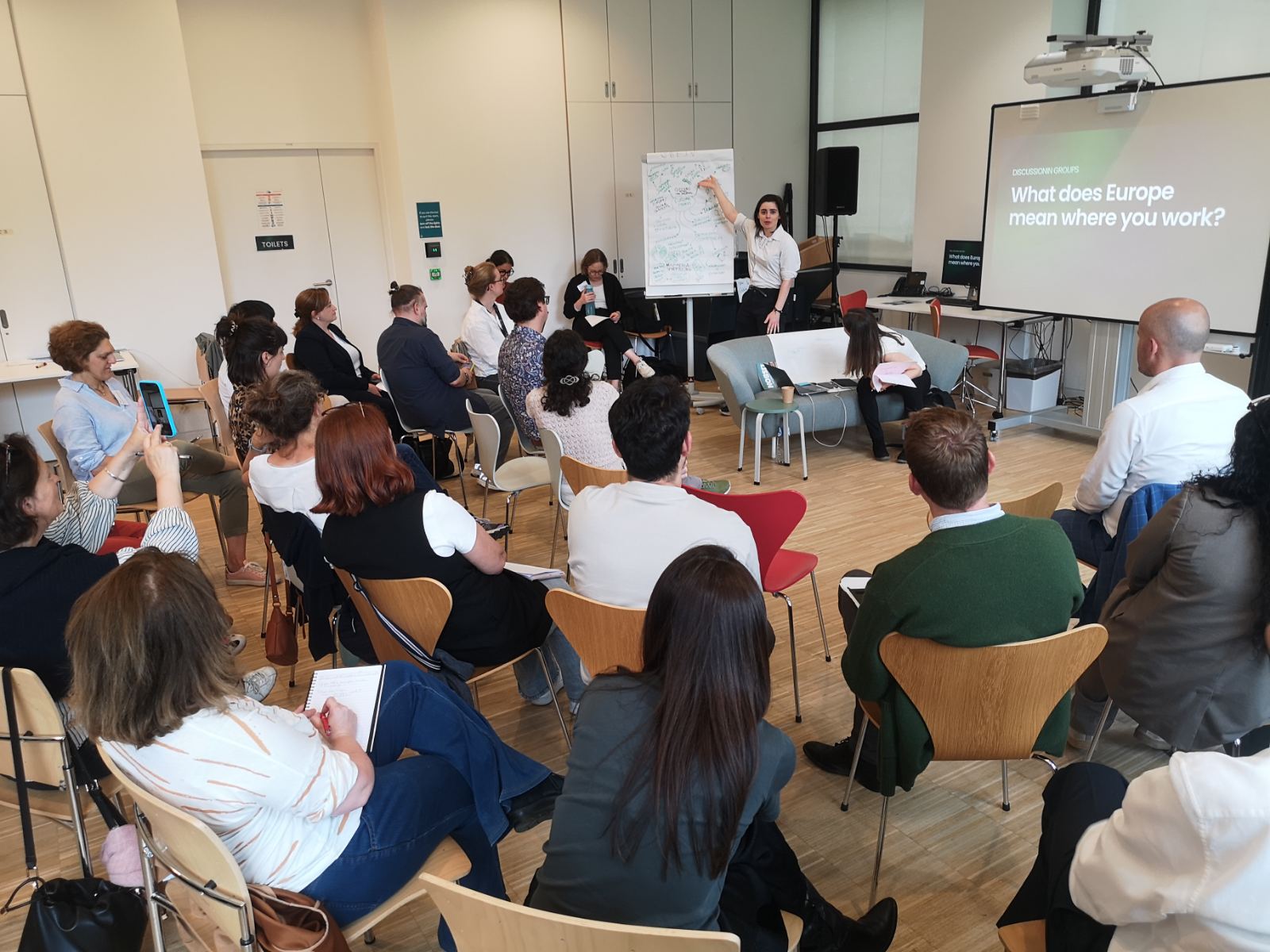
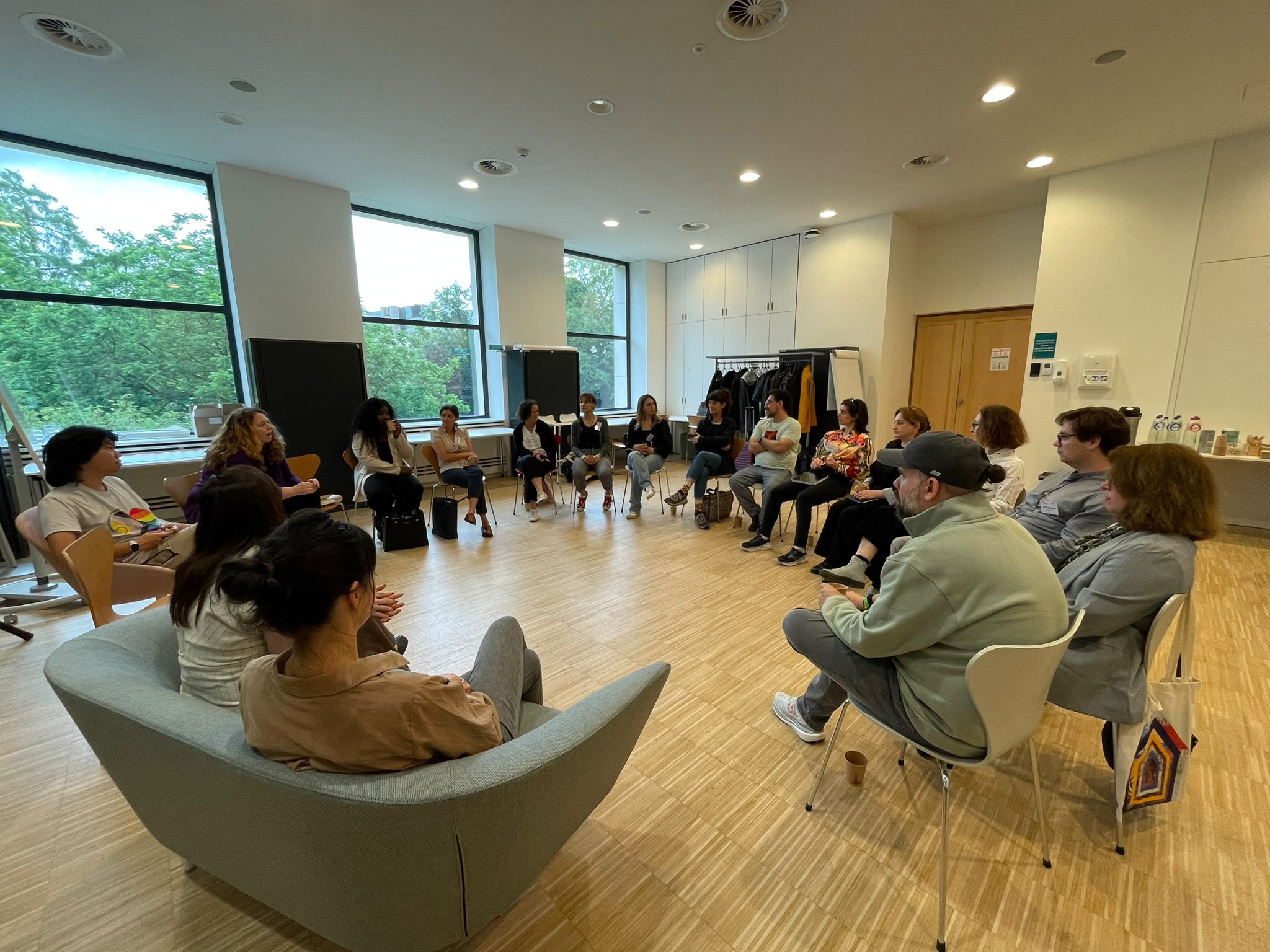
These were among the questions that framed the NECE & COMPASS Lab, Europe and the world – trust, alliances, and civic education, held on 3–4 June 2026 at the House of European History in Brussels.
The Lab brought together civic educators and civil society practitioners to examine how geopolitical narratives, trust and alliances are changing democratic participation. It asked civic educators to look beyond familiar concerns about participation, media literacy or polarisation and to confront a harder question: what does civic education need to become when democracy is under pressure both inside societies and in the wider world order?
One of the most valuable insights came through the discussion of European sentiments. Despite war, inflation, economic anxiety, political instability and fragmented public debate, attachment to Europe has remained relatively stable and, in some measures, has increased.
And this really matters because it suggests that Europe does not need to invent belonging from scratch. Many people still want a common European frame. They may be disappointed with institutions, worried about the future or sceptical of political leadership, yet the idea of Europe still carries meaning. It remains a horizon through which people imagine protection, rights, mobility, cooperation and a life larger than the national frame.
The difficulty is that attachment alone does not produce democratic confidence. A feeling of belonging can remain passive, nostalgic or defensive if it is not connected to lived democratic practice. It does not automatically become political imagination, social trust or the capacity to act with others across difference. For that, Europe needs institutions people can recognise as responsive, language that speaks honestly about uncertainty, civic practices that build judgement and leadership capable of turning sentiment into shared responsibility.
Another insight stressed that Europe often speaks about values as if their meaning is self-evident. In the room, however, this assumption did not hold. Participants asked what European values mean when practices contradict them; how Europe can speak credibly about rights while people experience exclusion, unequal protection or silence; and how civic educators can work with the gap between aspiration and reality without becoming cynical. This gap is politically dangerous, which makes it educationally so important.
Clearly, civic education cannot treat European values as slogans to be repeated. It has to help people examine how values are interpreted, where they are practised, where they fail, and what would be required to make them tangible. This means building the capacity for self-criticism without giving up on the democratic project itself. A healthy democracy depends on its capacity to accommodate contradiction and learn from failure. Civic education develops the judgement needed to do both.
The Lab also made clear that Europe’s democratic environment is now shaped by several forms of pressure at once. There is Russia’s war against Ukraine and the wider use of disinformation and identity-based influence. There is the changing relationship with the United States, including ideological pressure from political forces that contest European approaches to rights, regulation and democratic pluralism. There is China’s economic and technological power. There are conflicts in Europe’s wider neighbourhood, including Gaza, Sudan and the Middle East, which enter European public life through identity, grief, anger and historical memory. There are private technology companies that own much of the infrastructure through which public debate now happens.
This is why the language of “geopolitics” has returned. Several speakers warned, however, that the word can distort as much as it clarifies. It can make politics sound like a permanent contest of blocs, interests and strategic moves. It can pull civic education towards zero-sum thinking. It can make militarised language feel normal. Yet the issues behind the word cannot be avoided. Security, digital sovereignty, supply chains, energy, migration, climate, information infrastructure and democratic resilience are now part of the civic landscape.
The question for civic educators is how to teach this complexity without allowing geopolitical language to narrow democratic imagination.
One answer could be scenario-based learning, or, in other words – foresight. Civic educators do not need to preach a fixed future. They can help learners examine several possible futures, understand the choices behind them, and discuss the consequences of different decisions. Scenarios can reduce paralysis because they make uncertainty discussable. They can also help people see that political systems are not permanent objects. They are shaped, maintained, damaged and repaired by people.
Another useful approach is carefully designed simulation. Educational war games and geopolitical simulations can help learners understand interests, incentives, resources and strategic pressure. They require, however, strong facilitation. Without context, they can teach the wrong lesson: that politics is only competition and that every gain requires someone else’s loss. Used in the proper way, they can help participants understand why other actors think and act as they do, while still keeping values, law and human consequences visible.
A third practical direction is dialogue. The Lab repeatedly returned to the observation that people need structured spaces to speak before they can think together. Teachers and facilitators often avoid controversial topics because they fear escalation, parental backlash, institutional pressure, or their own lack of expertise. Their fear is, of course, rational. The answer cannot be to ask teachers to be heroic in fragile systems. They need methods, protection, time and support.
As we’ve seen in our civics community, dialogue methods can help – by this, we mean structured practices that slow the conversation down, invite people to speak from experience, deep-listen to different perspectives and examine the assumptions behind any disagreement, without forcing a consensus.
Visible thinking routines, multi-perspective exercises, and especially a closer engagement with primary sources can also help. These allow learners to examine the evidence before moving too quickly into opinion. Simple group practices also make a huge difference: asking learners what they see, what they think, how they relate personally, and what “we” might mean in a given context. These formats slow down reaction. They give people room to process difficult subjects before they become positions to defend.
This matters especially for topics that have become identity-bearing: Palestine and Israel, Ukraine, migration, climate, gender, religion, sovereignty, Europe itself. In such conversations, facts matter, but facts rarely travel alone. They arrive with memory, belonging, fear and moral injury. Civic educators need to help learners distinguish between understanding another perspective and endorsing it. That distinction is one of the foundations of democratic life.


The Lab also raised a problem that is too often treated as technical: digital literacy. If democratic debate now happens through privately owned platforms, then civic education has to address data, algorithms, digital identity, manipulation and infrastructure. This work has to begin earlier than the final years of school. Children are targeted by digital content long before formal civic education reaches them. Waiting until the age of sixteen or seventeen is a policy failure disguised as curriculum design.
Digital literacy also cannot be reduced to spotting fake news. Learners need to understand how attention is monetised, how outrage travels, how identity is reinforced online, who owns the platforms, what regulation can and cannot do, and why public debate depends on infrastructure that democratic societies often do not control.
Economic literacy came up as another missing layer. Many people vote and form political judgements through immediate economic experience: prices, housing, wages, taxes, services, insecurity. Civic education that avoids these realities leaves a vacuum. Others will fill it with simpler explanations and convenient enemies. Civic educators do not need to become economists. They do need to help learners understand how public budgets, trade, welfare, energy, taxation and inequality shape democratic choices.
The most important shift may be in how we understand civic education itself. It cannot remain a marginal subject that explains institutions after the real decisions have already been made elsewhere. It is part of democratic readiness. This does not mean militarising civic education or turning educators into instruments of state security. It means recognising that society needs the capacity to think, disagree, interpret information, understand power, resist manipulation and act to co-create rather than remain a passive listener.
As we prepare for Europe’s largest annual civic education festival this October, several questions should travel with us:
- How can civic education speak about Europe without pretending that Europe is coherent or complete?
- How can we teach the relationship between values and interests, while keeping democracy open to judgement, disagreement and responsibility?
- How can we create space to examine war, security and sovereignty without letting these themes crowd out democratic judgement, empathy and responsibility?
- What kinds of digital and economic literacy are now basic civic competences?
- How do we support teachers and facilitators who are asked to hold conversations that institutions themselves often avoid?
- How can civic education help learners engage with grief, anger and historical memory in ways that deepen understanding rather than close communities into hardened camps?
- And perhaps the most difficult question: how do we build trust when people no longer share the same information, the same sense of threat, or the same confidence that democratic institutions can protect them?
The Brussels Lab suggested where practical work on these questions can begin: in classrooms, museums, youth spaces, civil society organisations, local communities, and professional networks where people can practise the habits of critical thinking, but also – emotional intelligence – habits that larger systems need but often fail to model.
It is clear that Europe cannot be strengthened by better messaging alone. But it can be strengthened if people can see where they have agency, where they have responsibility, and where they can connect and act with others. Civic education cannot carry that task alone; though, it can make the task visible, teach the skills it requires, and create the spaces where democratic judgement can be formed.
* NECE is financially supported by the German Federal Agency for Civic Education | bpb and led by THE CIVICS Innovation Hub.
** This event is co-funded by the European Union. Views and opinions expressed are however those of the author(s) only and do not necessarily reflect those of the European Union or the European Education and Culture Executive Agency. Neither the European Union nor the granting authority can be held responsible for them.
Latest news
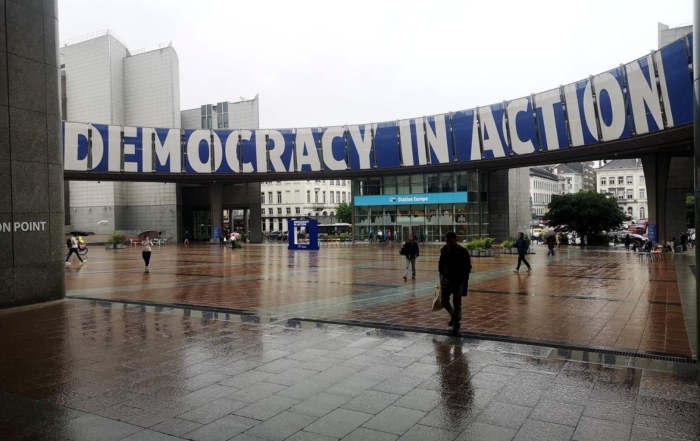
Europe cannot educate for democracy as if the world has stayed the same
Europe cannot educate for democracy as if the world has stayed the same Reflections from a NECE & ...
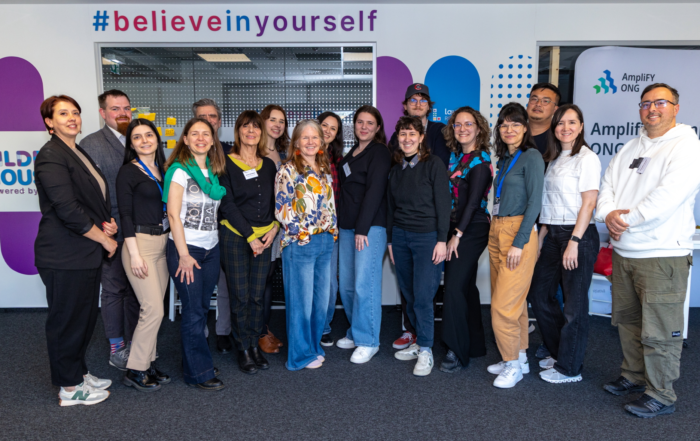
Technology, politics, and practice
Technology, politics, and practice Understanding the civic gap May 4, 2026 By Kameliya Tomova and Mila Moshelova ...
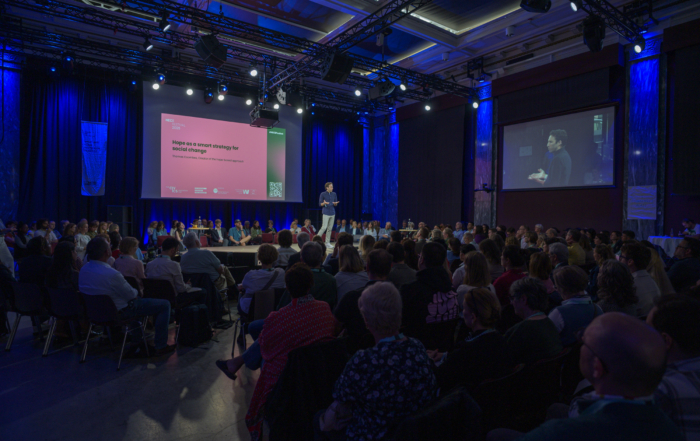
HOPE in challenging times: Insights from the NECE Festival 2025
HOPE in challenging times Insights from the NECE Festival 2025 March 18, 2026 By Ole Jantschek, National Director of ...
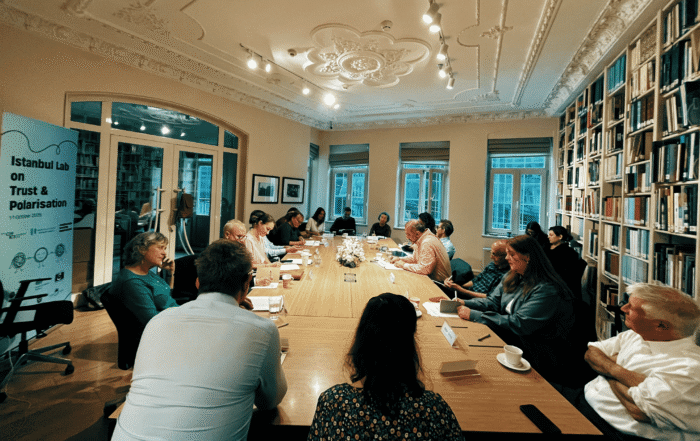
Notes from the Istanbul Lab on Trust and Polarisation
Notes from the Istanbul Lab on Trust and Polarisation December 18, 2025 By Kameliya Tomova For years, our work ...