
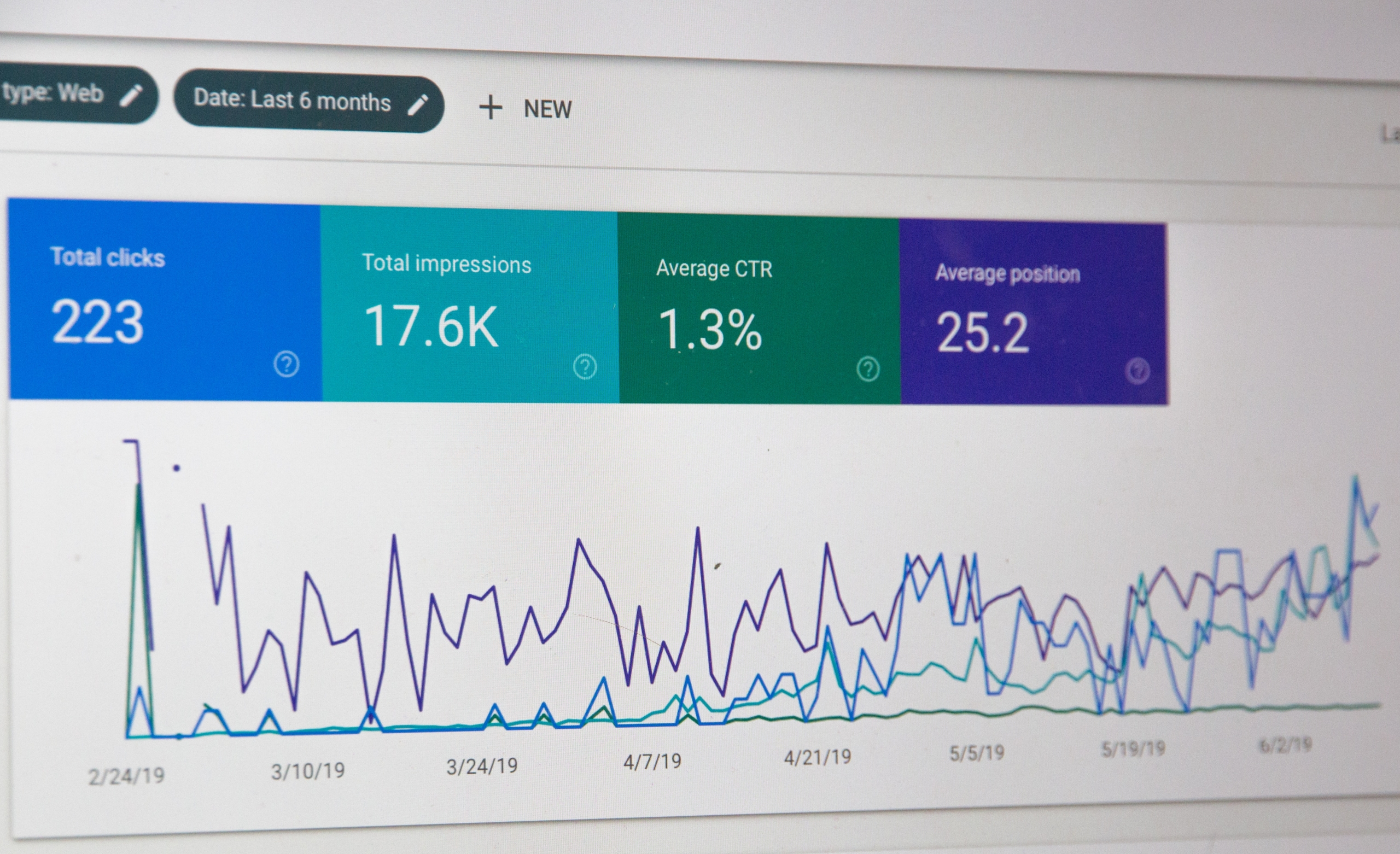
Upgrading our role as civic educators in media & digital literacy
September 12, 2023
By Kameliya Tomova
The concept of “digital literacy” has experienced a remarkable evolution over the past two decades, reflecting the rapid transformation of our technological landscape. Not long ago, digital literacy encompassed seemingly straightforward tasks like handling emails or navigating basic software interfaces. Today, this term has expanded into a multifaceted domain that includes skills such as critical evaluation of online information, understanding of data privacy and even algorithmic literacy.
The media literacy landscape has shifted as well and even more so in the past couple of years. As per latest research, traditional networks like Facebook are declining, and video-led platforms such as TikTok are on the rise. The 2023 Digital News Report by Reuters Institute for the Study of Journalism at the University of Oxford underscores the declining trust in news, increased news avoidance, and the flattening growth of online news payments, emphasising the need for the media to adapt to changing consumer preferences and economic pressures.
Interestingly, as the report shows, public perceptions of algorithms in news delivery have also shifted since 2016, with growing scepticism about algorithmically selected content. Users, and especially younger ones, are less satisfied with algorithm-based content. The reasons for this change are not entirely clear, but there is a sense of being overwhelmed by negative news on social media, and worries about missing important information or diverse viewpoints due to overly personalised news feeds. This shift in perception highlights the need for greater transparency and citizens regaining agency over what they see on their newsfeed.
Another recent study by the Upgrade Democracy project of the Bertelsmann Stiftung reveals that 85% of EU citizens believe policymakers should intensify efforts to combat the deliberate spread of false content on the Internet, and 89% think social media platforms should take more action. Over half of the respondents often feel unsure about the accuracy of online information, with 39% acknowledging they’ve encountered disinformation. Younger and more educated individuals tend to respond more actively to false information, but the study emphasises that the ability to counter disinformation should not depend on age or education. It further suggests systematic monitoring by independent experts and civil society, along with transparent content moderation, as essential steps in the fight against disinformation.
Algorithm awareness and education
Younger generations become increasingly aware of the significance of algorithms in their lives. However, studies reveal that the majority of users often fail to grasp the curated nature of digital reality, thus sparking the need for algorithm awareness and education.
As Jordan Hill, an OECD analyst suggests, algorithm education is often associated with computer science, programming and coding, but this explicit focus on the technical skillset needed to tackle the challenges posed by AI is a perception we need to change. To enhance digital media literacy, it’s beneficial to connect the concepts of algorithms with computational thinking, says Hill. This means teaching students problem-solving skills and how computer scientists approach challenges. When students grasp how computer science thinking works, they can better understand how algorithms affect things like online recommendations and content filtering – all important aspects of our digital world. This approach helps students develop a deeper understanding of digital content and improve their critical thinking.
Technology as an amplifier of human intention
According to Nina Schick, a political broadcaster and author of Deepfakes: The Coming Infocalypse, technology itself is not the core issue, apart from it being an amplifier of human intentions and actions. In her book, she describes what challenges synthetic (or AI-generated) media pose, with focus on deepfakes.
Schick highlights the concern of living in a world where everything can be faked, with the “liar’s dividend” concept emerging as a consequence. This means that anyone can deny authentic content by claiming it’s a deep fake, leading to plausible deniability.
What are we left with, when the authenticity of significant recorded events, like the George Floyd video, has been challenged? Can you imagine how different the political landscape in Europe could have been if the images of East Berliners dismantling the Berlin Wall broadcasted all over the world had been challenged as deepfakes? These TV broadcasts most definitely marked the end of the Cold War by inspiring protests and demands for political change all across Eastern Europe, with people in other Eastern Block countries gaining strength to push for greater political freedoms.
The issue of synthetic media is expected to become, next to climate change, one of the biggest challenges of our time, says Schick. Tackling synthetic media requires collaboration between society, government, and technology companies. Unfortunately, policy makers often lag behind technological advancements.
According to Schick, in order to ensure trust in digital media, we have to combine multilateral efforts in enhancing the entire digital infrastructure, combining both detection and authentication methods, while securing the information ecosystem and preventing misinformation and disinformation from spreading.
Our role as civic educators
It is time to upgrade the conventional notion of teaching digital literacy. As civic educators, we need to join efforts and create a pedagogical framework that focuses on fostering critical awareness and understanding of the digital and media landscapes, including the ability to comprehend the intricate web of artificial intelligence, algorithms, and emerging technologies that shape our daily lives. This is a dynamic and evolving set of competencies encompassing critical thinking, ethical considerations, and a deep understanding of the interconnected digital world. Civic educators are used to operating in evolving environments but these new developments require us to closely collaborate with data and AI experts who embrace a holistic approach to address the multilayered complexities inherent in our digital world.
This topic has so much more to it. We are at the end of this blog post and we haven’t even touched on ChatGPT and what implications this has for education and teaching practices.
And what is your experience of teaching digital and media literacy? Is your way of teaching influenced by the technological advancements of the day? Tell us your story at nece@thecivics.eu.
Latest news
Europe cannot educate for democracy as if the world has stayed the same
Europe cannot educate for democracy as if the world has stayed the same Reflections from a NECE & ...
Technology, politics, and practice
Technology, politics, and practice Understanding the civic gap May 4, 2026 By Kameliya Tomova and Mila Moshelova ...
HOPE in challenging times: Insights from the NECE Festival 2025
HOPE in challenging times Insights from the NECE Festival 2025 March 18, 2026 By Ole Jantschek, National Director of ...
Notes from the Istanbul Lab on Trust and Polarisation
Notes from the Istanbul Lab on Trust and Polarisation December 18, 2025 By Kameliya Tomova For years, our work ...