

NECE Festival 2023
In the following, we’d like to share a glimpse of the rich discussions devoted to civic education that defined this year’s NECE festival. From November 30 to December 2, 2023, we hosted a dynamic 2.5-day event in Madrid focusing on interculturality, innovation, and interdisciplinarity. The theme, FUTURES! inspired civic educators to explore the challenges facing Europe’s civic space, marked by authoritarian and populist forces, amplified through social networks, and accompanied by growing distrust in traditional democratic institutions.
Participants actively engaged with key questions such as: How can civil society and educators be equipped with the skills to address future challenges? Is it possible to develop tools for predicting threats to European civil society? And, importantly, how can educators and civic actors empower themselves to counter dynamics eroding civic cohesion and democratic stability? The festival provided an interactive platform with all participants shaping the narrative, whether through workshops, art performances, our project market, or field trips.
We welcomed close to 200 guests from civil society, politics, science, media, and culture, fostering collaboration and shared purpose that resonated across Europe. Take a look at some of the photos from the event!
Highlights
From creating engaging financial literacy tools to deciphering the keys to effective youth participation and understanding the role of new technologies in innovative teaching methods, our journey at this year’s NECE Festival has been enlightening. We looked into practical tools that unveil the core principles of democracy and participation, forming educative alliances in transfeminism, and recognising civic competences as catalysts for authentic community transformation and we explored the intersection of democracy and the arts.
Our WORK SPACES served as invaluable platforms that presented tested methods for our community, such a cultivating Constructive Dialogue in classrooms, equipping educators with tools for navigating challenging conversations on divisive subjects; the integration of civic values into EU cohesion policy, fostering unity and collaboration. Narratives of Youth Engagement and volunteering underscored the profound impact of selfless contributions to society. Discussions on Tactical Changes in civic education addressed the necessity for adaptable approaches during crises and armed conflicts. A noteworthy session showcased the power of music as a medium for Human Rights education, aligning with the SDGs. Moreover, the challenges facing civic education in the CENESA region, heightened by the COVID-19 pandemic and other root causes, prompted a collective exploration of strategies to overcome these obstacles.
#FUTURES
Foresight & civic education: Building bridges into the FUTURE
“I’m interested in boosting the human signal. My work is in identifying the arenas in which humans are superior [to machines] and where humans will always have the edge. And that does play a role in civic education.”
Regina Joseph,

In this opening panel of the NECE Festival, Superforecaster Regina Joseph emphasised the need to understand human-machine interaction in a world increasingly influenced by machine learning. Regina is an advocate developing civic education programmes that integrate strategic foresight. She expressed her concerns about the release of powerful technologies without proper testing, citing the negative impact of social media. Regina also pointed out geopolitical tensions and the use of disinformation, emphasising the vulnerability of young people to harmful concepts propagated through platforms like TikTok. The need for protecting individuals in an era where technology is integral to survival becomes a central concern, according to Regina.
“There is this very problematic relationship with truth that democracies have developed as a kind of sickness. This is something we have to fix and this has to do a lot with technology. And the fact that we cannot know anymore what is true and what’s not true – democracies cannot survive without truth. And authoritarian regimes cannot survive truth.”
José Ignacio Torreblanca,Senior policy fellow at the European Council on Foreign Relations

Our next speaker, José Ignacio Torreblanca, focused on the importance of understanding the world order, particularly in the context of migration, climate change, and global conflicts. He explored the historical context of Spain’s democratic development, emphasising the role of civic education in shaping free-thinking institutions. The conversation deliberated on the current challenges facing democracies, such as the weakening of civic spaces and the rise of authoritarianism. Despite the unpredictability we are faced with, José Ignacio finds hope in the European Union as a peace project and emphasised the need for creative solutions to contemporary problems, including climate change.
“In a company, you as an individual, need to understand the kind of crisis, need to understand that you have a role, a civic role, a role even beyond your company – any job is a climate job now, we are all involved in this.”
Roxana Buzețelu,

With Roxana Buzețelu, we discussed helpful approaches to climate education, emphasising agency and positive action over alarmist narratives. In her work, Roxana focuses on creating a sense of empowerment and responsibility, encouraging individuals to envision a better world and make small changes that collectively contribute to addressing the climate crisis. Roxana works with various groups, including the general public through online communities, youth in schools to empower them in building a regenerative future, and companies, highlighting the importance of individual responsibility in the face of the climate crisis.
“Values can be power. You don’t have to have hard power in the form of weapons, even though it’s very important to have defence, especially when you are in a war with Russia. Soft power is having influence in the form of positive values. And I think that’s something in Europe that’s been quite difficult to talk about, of course, because we saw the backlash a lot. But it’s something we need to reinvent – that kind of power that we have, which is linked to moral values.”
Sophie PornschlegelDirector of Studies and Development at Europe Jacques Delors
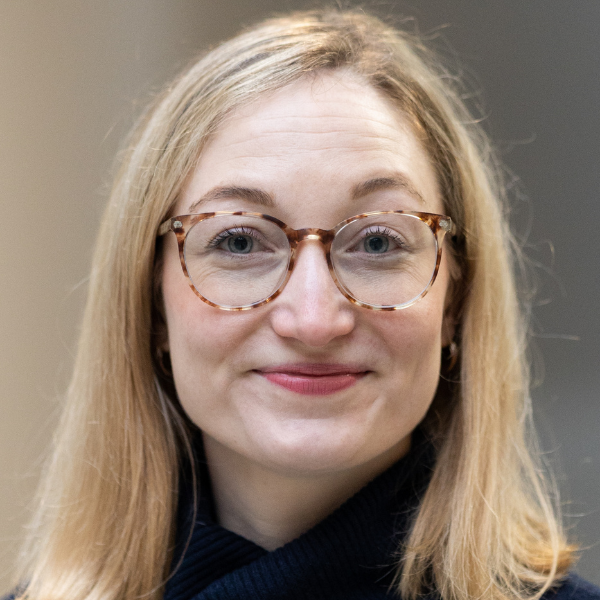
Sophie Pornschlegel reflected on the need to rethink political power and advocated for a shift from a Machiavellian understanding to a collective and values-based approach. She pointed to the under-discussed concept of political power in society, urging a focus on collective power rather than traditional, undemocratic power dynamics. In her work, Sophie explores the intersection of power, democracy, and values, suggesting that values can be a form of power, calling for a reinvention of power in Europe, considering moral values as a crucial aspect. Additionally, Sophie highlighted the importance of civic education in creating spaces for critical thinking, dialogue, and the exchange of ideas, fostering a sense of collective power. The discussion also touched on the challenges posed by the far right and the need for a positive vision of the future to navigate the current political and ecological uncertainties.
#BORDERS
Our exploration of alternative futures naturally led us to the important subject of migration, which will be the focal point of our next annual gathering as NECE community – the European Festival of Civic Education 2024 titled BORDERS. During our closing panel at the festival, featuring Ottilia Anna Maunganidze, Birgit Glorius, and Katerina Sergatskova, we looked into critical questions about Europe’s approach to migration from an African perspective; we examined emerging trends, considered successful and less successful examples of migration governance, and pondered the future of Europe’s welcome culture.
Shifting landscapes: Exploring migration in Europe and beyond
“Migration is a thing of history in that people have always moved and migration will be a thing of the future. The test, however, is how can Europe, Africa, the rest of the world, be able to ensure that migration is a safe thing of the future, not just that people will move and that they will take risks to do so.”
Ottilia Anna Maunganidze,Head of Special Projects in the Office of the Executive Director at the Institute for Security Studies
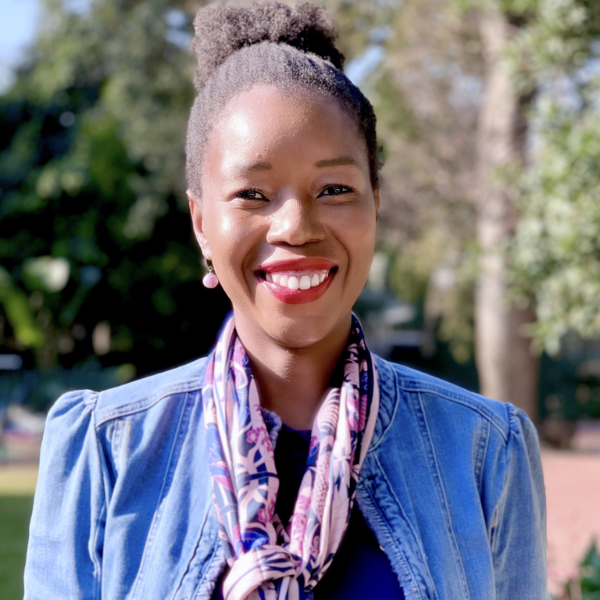
In this panel discussion, Ottilia Anna Maunganidze, an African expert in human security, delved into key aspects of migration. Emphasising the fundamental role of people and geography in migration, she explored the varied reasons behind people’s movements, ranging from familial reunification and pursuit of better opportunities to escaping unsafe environments or climate-related issues. The historical context highlighted the shift from forced migrations to contemporary complexities. Ottilia underscored the challenges arising from restricted pathways and the need for better governance of migration. With a focus on Europe’s labour needs due to an ageing population, she urged a nuanced approach considering the developmental impact on both Europe and Africa. Reflecting on recent events, such as the Italian summit and policy changes in Nigeria, she pointed out the intricate balance needed in addressing migration challenges. Ottilia further stressed the importance of collaborative, consultative, and communicative approaches to ensure safe and balanced migration in the future.
“Migration should be discussed in an integrative way and should be included into a development strategy which defines a clear goal for the locality, for the society, so that everybody understands where and which direction people should move, that immigrants are part of this movement and that this leads to a common goal which means that the locality of the society can develop in a better way and can truly profit from all those potentials that come in.”
Birgit Glorius,Professor of Human Geography with a focus on European Migration Studies at Chemnitz University of Technology
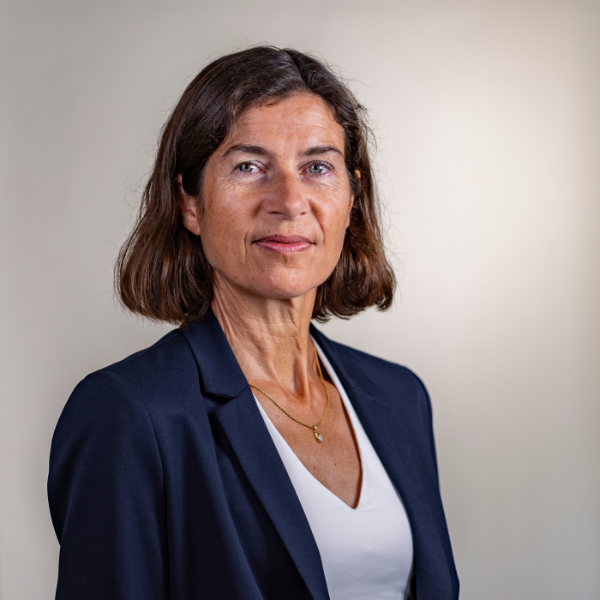
In her contribution to the panel discussion, Birgit Glorius, provided insights from a human geography perspective on migration. She spoke about the complexity of mobility as a basis for livelihoods and discussed her research on inner European mobility before shifting focus to the reception of forced migrants, particularly in local communities. Birgit highlighted the crucial role of the receiving society, comprising both professional actors and everyday people, in shaping the integration process. Two central issues, belonging and the fear of change, were underscored, with a call for civic educators to moderate and mediate these processes. Birgit shared a positive example of successful integration, emphasising the importance of social networks, coaching, and community support. She advocated for a “whole of community approach,” integrating immigration into general local development strategies for a more inclusive and successful integration process.
“Many European countries still don’t have a united vision on what to do with migrants from Ukraine. That can be confusing for policy makers because the main vision from inside of Ukraine is that we want to return back to our country. But at the same time, people who already migrated, they still don’t feel safe. And this is a number one challenge we still don’t have any strategy or vision for.”
Katerina Sergatskova,
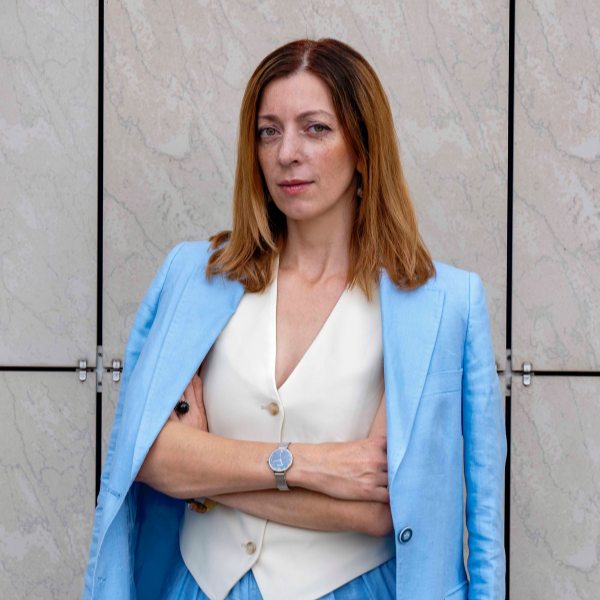
In this panel discussion, Katerina Sergatskova, a Ukrainian journalist, highlighted the severe impact of the war of aggression against Ukraine, resulting in the forced displacement of approximately 10 million people. She described the challenges faced by internally displaced persons and those living abroad, emphasising the disruption of social connections and the scale of the crisis. Katerina shared personal experiences of living in a conflict zone, detailing the daily hardships, such as rocket and drone attacks, occupation-related issues, blackouts, and military mobilisation. The discussion also touched on the psychological toll, with a study in Denmark revealing high rates of post-traumatic experiences among displaced Ukrainians. Katerina underscored the need for a long-term strategy for the integration of migrants, emphasising the importance of safety and security for those forced to leave their country amid ongoing conflict.
The war in Ukraine, as other conflicts across the world, has displaced millions, raising questions about forced migration and its human toll. As we look towards the future, we contemplate return migration and ask ourselves the question of how civil society can aid in the challenging process of reintegration and how we, as civic educators, can support this process. Join us in Tirana, Albania, at our next NECE Festival to continue this crucial conversation!
Latest news
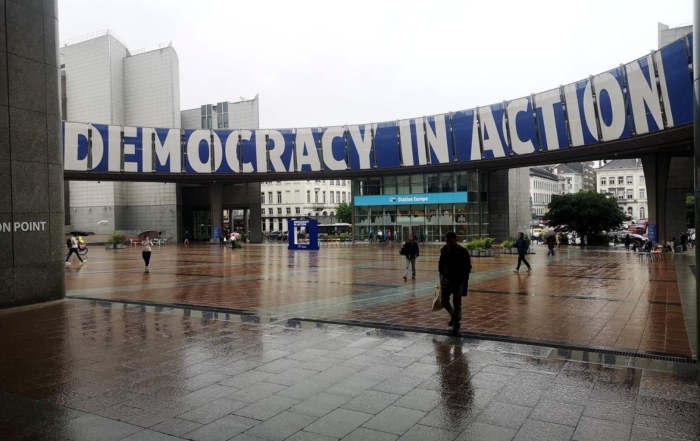
Europe cannot educate for democracy as if the world has stayed the same
Europe cannot educate for democracy as if the world has stayed the same Reflections from a NECE & ...
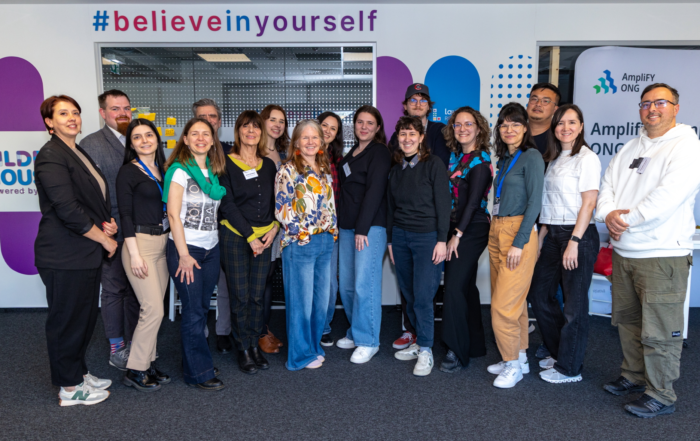
Technology, politics, and practice
Technology, politics, and practice Understanding the civic gap May 4, 2026 By Kameliya Tomova and Mila Moshelova ...
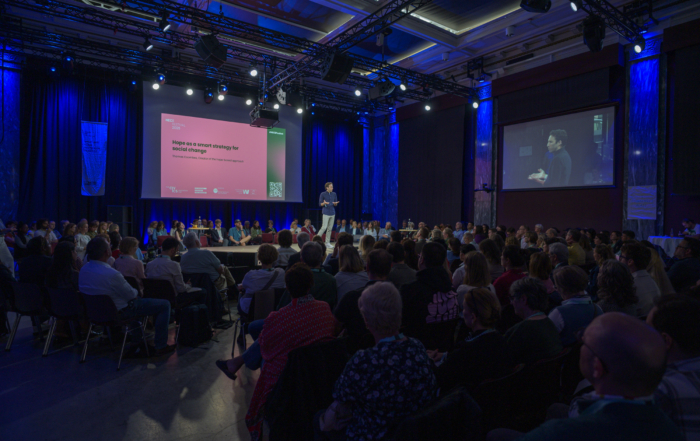
HOPE in challenging times: Insights from the NECE Festival 2025
HOPE in challenging times Insights from the NECE Festival 2025 March 18, 2026 By Ole Jantschek, National Director of ...
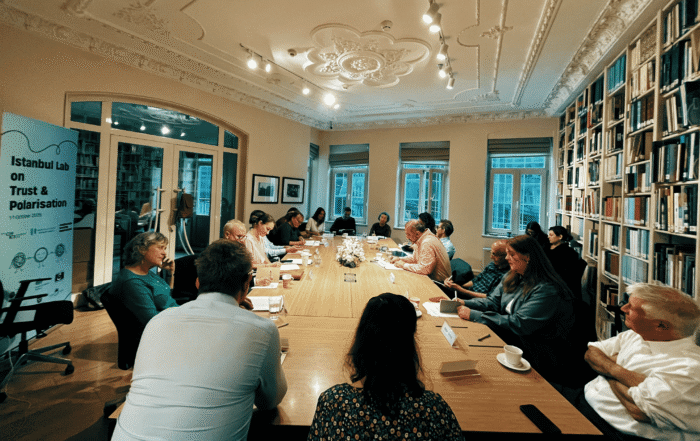
Notes from the Istanbul Lab on Trust and Polarisation
Notes from the Istanbul Lab on Trust and Polarisation December 18, 2025 By Kameliya Tomova For years, our work ...