
NECE Lab Call for Re-Visionaries
Why are mental health and wellbeing crucial in civic education?
Mental health and well-being are foundational to effective civic education, as they enable individuals to actively and meaningfully engage in civic life. Emphasising well-being helps individuals develop resilience, empathy, and a deeper connection to their communities—essential elements for fostering social cohesion and democratic participation. By integrating practices such as reflective thinking and personal curiosity, civic education can enhance the capacity for thoughtful and responsible engagement. This holistic approach supports personal growth while strengthening the communal bonds and democratic institutions vital for a healthy, functioning society.
With this in mind, THE CIVICS Innovation Hub and The Wellbeing Project joined forces with the idea to reimagine civic education through the lens of wellbeing – the wellbeing of individuals and communities at large.
Who are the guardians of community values and traditions?
In modern times, traditional holders of civic education are increasingly being sidelined, shifting the conveyance of civic values and responsibilities to younger generations. This shift reveals a disconnect between the wisdom of traditional civic education and today’s methods. Factors such as globalisation, the use of social networks, and outdated industrial-era systems contribute to this disconnect.
An intentional civic education approach can reconnect community members with foundational civic engagement principles, reimagining how civic values and responsibilities are delivered across generations.

The role of elders in nurturing civic values
In partnership with The Wellbeing Project, we are launching the first phase of our initiative focusing on the role of intergenerational dialogue in nurturing civic values. This phase includes three modules—two online and one in-person session in Tirana—exploring the diminishing role of elders in civic education and the gap between traditional and modern conveyance methods due to technological advancements and globalisation. We aim to address the evolving roles of traditional civic educators, the impact of societal changes, and the need for a reflective and questioning mindset among citizens. By reimagining civic education through intergenerational dialogue and Ecological Belonging, we seek to create a framework that strengthens community bonds and fosters a sense of interconnectedness between individuals, communities, and the planet.
Ecological Belonging is an invitation to develop a new narrative of hope and belonging around the question of “How we should live?”. It is a platform to remember, renew, and reweave the stories, rituals, and practices that locally root us in a deep interconnectedness between ourselves, our communities, and the planet as a universal experience.
By understanding the current scenario, the goal is to create a civic education framework, through an Ecological Belonging lens, that can help strengthen the fabric of society.
Join us in re-visioning civic education
We are excited to announce a collaborative NECE Lab series dedicated to rethinking the role of intergenerational dialogue in civic education. The CIVICS Innovation Hub and The Wellbeing Project are joining forces to create a platform for discussing the diminishing role of elders in civic education and the challenges of modernising traditional methods.
Series overview:
- Session I: September 12, 2024, 14:00 CET (Online)
Focus: Barriers and enablers of intergenerational dialogue, exploring the disconnect between traditional and modern civic education methods. - Session II: October 9, 2024, 14:00 CET (Online)
Focus: Deeper reflection on fundamental questions like “How should we live together?” and the evolving role of elders in society. - Session III: November 16, 2024 (In-person, NECE Festival in Tirana, Albania)
Focus: Policy-driven design to develop concepts for intergenerational cooperation and elder-led empowerment in civic education.
Latest news
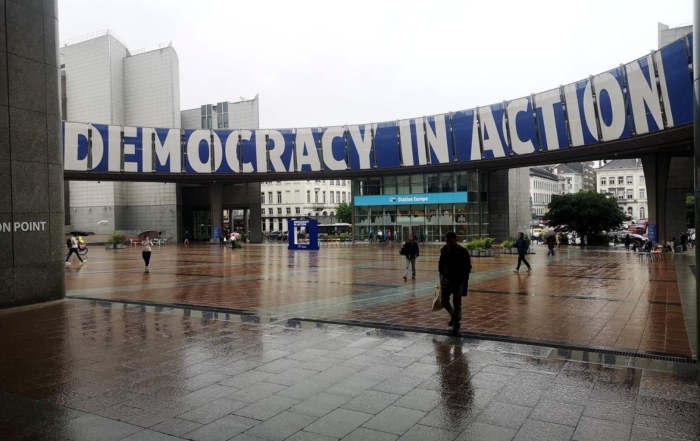
Europe cannot educate for democracy as if the world has stayed the same
Europe cannot educate for democracy as if the world has stayed the same Reflections from a NECE & ...
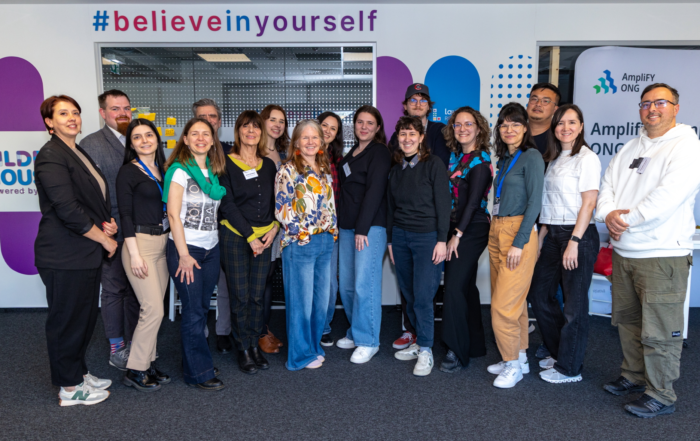
Technology, politics, and practice
Technology, politics, and practice Understanding the civic gap May 4, 2026 By Kameliya Tomova and Mila Moshelova ...
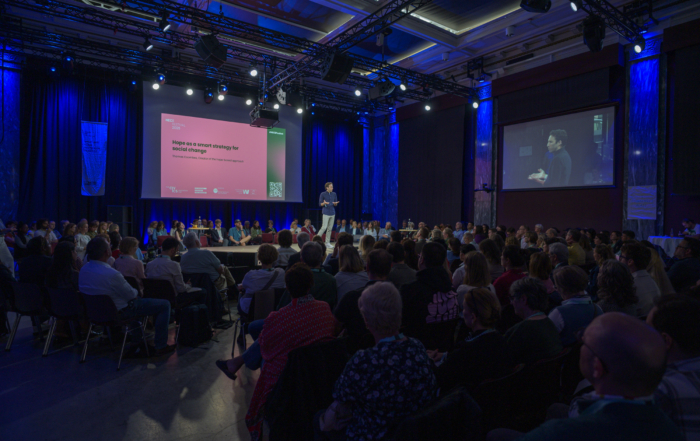
HOPE in challenging times: Insights from the NECE Festival 2025
HOPE in challenging times Insights from the NECE Festival 2025 March 18, 2026 By Ole Jantschek, National Director of ...
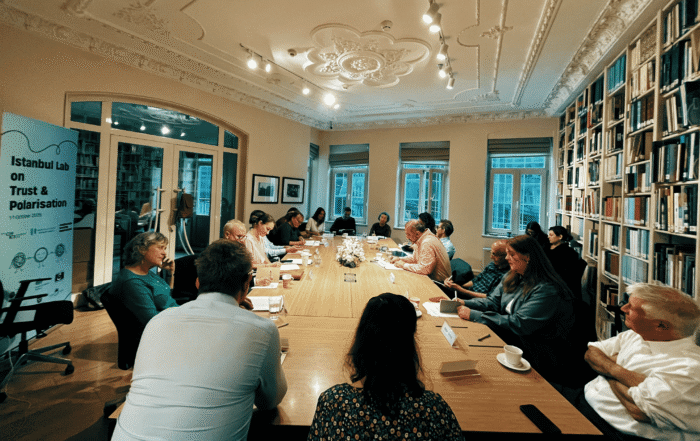
Notes from the Istanbul Lab on Trust and Polarisation
Notes from the Istanbul Lab on Trust and Polarisation December 18, 2025 By Kameliya Tomova For years, our work ...